Building a Real Estate Business That Lasts
Building a Business That Lasts: How Wendell Butler Is Winning in Any Market
Real Estate Insights from Wendell and Christina
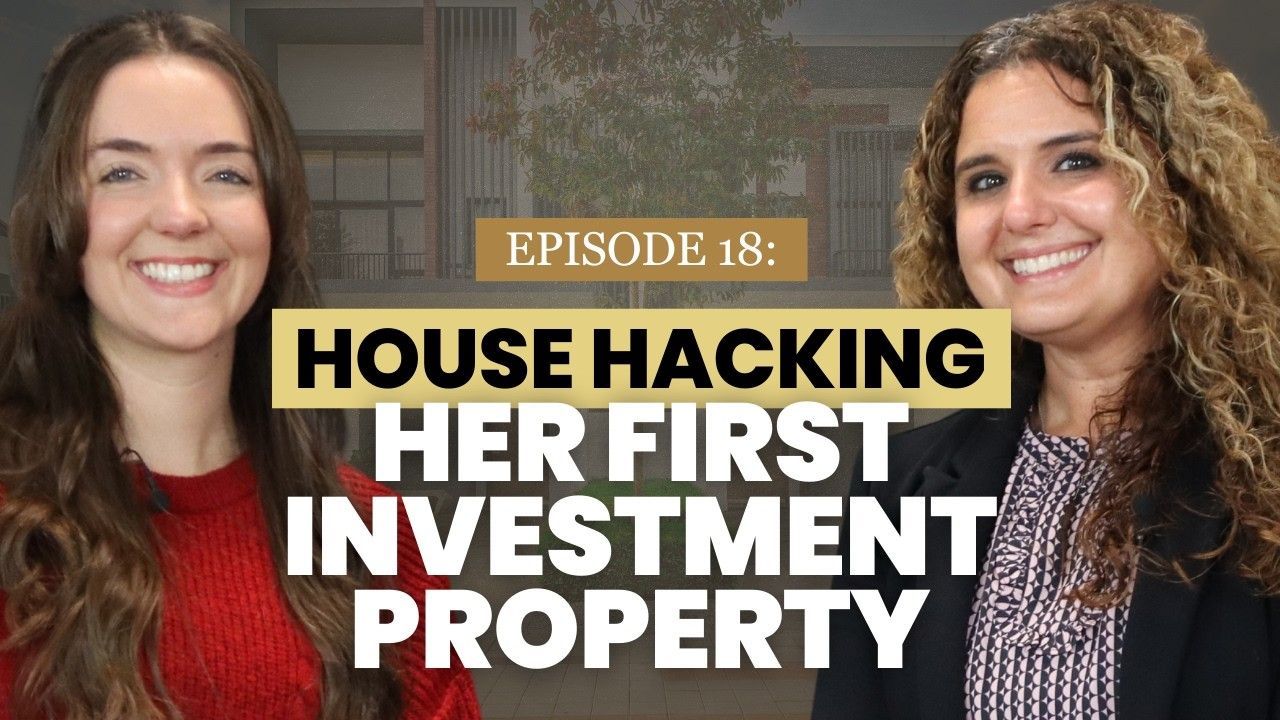
In this episode of Branching Out: Where Real Estate Meets Real Life, Christina sits down with Wendell to discuss his journey into real estate, how he built a company from the ground up, why he's betting on new construction, and the mindset that has helped him continue moving forward while many investors are standing still.
🎥 Watch the full video on YouTube below or listen to the podcast
here
When the real estate market becomes uncertain, many investors hit the pause button. They wait for interest rates to fall, prices to stabilize, or the "perfect" opportunity to appear. Wendell Butler has taken a different approach.
Instead of slowing down, he's building.
As the founder of Hammerhead Capital, Wendell continues to make hundreds of offers each month, develop new construction projects, raise private capital, and refine systems that allow his business to grow—even in one of the most challenging markets investors have faced in years.
Throughout the conversation, one theme becomes clear: successful investing isn't about chasing the easiest market. It's about building the knowledge, systems, and discipline to succeed in any market.
An Unexpected Path into Real Estate
Unlike many investors, Wendell didn't grow up around real estate.
In fact, his original plan looked completely different.
He was studying to become a physician assistant because it seemed like the responsible career path. Like many people, he believed earning a stable six-figure income would set him up for life. But the further he went through school, the more he realized the profession wasn't where he wanted to spend the rest of his career.
"I didn't want to have a license hanging over my head and forcing me to do that for the rest of my life."
After graduating, he took what he laughingly describes as his "quarter-life crisis." He moved to Miami, surrounded himself with entrepreneurial friends, and became fascinated by the idea that people could create income without relying on a traditional nine-to-five job.
His first venture into entrepreneurship was e-commerce. While he says he didn't lose money, he also didn't make much.
"It was a free education about, 'Hey, you can make money without relying on a paycheck.'"
That experience changed the way he thought about building wealth. It also sparked his interest in real estate, leading him to begin reading books, listening to BiggerPockets, and learning everything he could about investing.
Learning the Business Before Becoming an Investor
Rather than jumping directly into buying investment properties, Wendell spent several years learning how real estate worked from the inside.
His first opportunity came in the lending industry, where he worked alongside a conventional loan officer during one of the busiest periods in recent memory. Every day, he was exposed to financing, underwriting, and the financial side of real estate transactions.
Later, he transitioned into hard money lending, where he reviewed dozens of investment deals every day.
Instead of only analyzing his own projects, he was able to study the successes—and mistakes—of countless investors.
"I learned a lot there because you look over 20 or 30 deals a day from other investors."
That experience gave him something many new investors don't have when they get started: pattern recognition.
By seeing deal after deal, he began understanding what separated profitable investments from expensive mistakes. As his confidence grew, so did his desire to stop watching other people build wealth and begin creating it himself.
The First Deal That Made Real Estate Feel Real
Like many first-time investors, Wendell's first purchase wasn't meant to become a business.
He simply wanted to stop renting and begin building equity.
He purchased a small condo in Massachusetts, found a roommate to help cover the mortgage, and gradually renovated the property himself with help from friends and family.
The project wasn't extravagant. He installed flooring, painted, replaced the kitchen, and invested roughly $14,000 into the renovation.
Then something happened that completely changed his perspective.
After selling the property, he walked away with approximately $70,000.
"I just made more than I've ever made in a salary in one check from one deal."
That moment became the turning point.
Real estate was no longer just an interesting investment strategy—it became proof that wealth could be built through thoughtful decision-making, patience, and execution.
As Wendell explains, that's when "the switch flipped."
Raising Capital Starts Long Before You Ask for Money
One of the most valuable parts of the conversation centered around a question nearly every new investor asks:
Where do I find the money?
For Wendell, the answer wasn't immediately networking with strangers or pitching wealthy investors.
It started much closer to home.
His first private lender was his father.
Before asking for a significant investment, Wendell spent time educating him on exactly what he planned to do. He prepared the numbers, outlined the renovation costs, explained the refinancing strategy, and walked through every step of the project.
"I had the whole strategic plan set up."
More importantly, he shared one lesson every new investor should remember.
"People don't invest in...deals...they invest in your character and your integrity."
While a profitable project certainly matters, people first need confidence in the person they're partnering with.
Wendell explains that raising capital often follows a natural progression.
It begins with your closest circle—friends and family who already know your character. As you successfully complete projects and build a track record, those relationships naturally lead to new introductions and greater opportunities.
Each successful investment builds trust.
And trust opens doors to future capital.
Rather than focusing only on finding money, Wendell encourages investors to first become someone worthy of investing in.
Why He's Building More Than He's Flipping
When many investors think of real estate, they immediately picture fix-and-flips.
Wendell still flips houses, but today's market has caused him to shift his strategy.
Profit margins have tightened considerably. Renovations often come with expensive surprises hidden behind walls, making projects far less predictable than they once were.
That's one reason he's become increasingly focused on new construction.
Unlike renovations, new builds allow his team to estimate costs with much greater certainty. Materials, labor, and construction timelines become more standardized, making it easier to forecast returns before ever breaking ground.
"It's more predictable."
He's also seeing tremendous opportunity in the Carolinas, where continued population growth and zoning changes have created new possibilities for development.
Instead of competing for aging homes with shrinking margins, Wendell believes investors should pay attention to opportunities where they can create new inventory that meets today's housing demand.
His philosophy isn't that every investor should stop flipping houses.
It's that investors should be willing to adapt as markets change.
"When the market changes, your strategy has to change with it." (A lesson that echoes throughout many Branch Wealth Partners conversations.)
Systems Are What Allow Businesses to Scale
Another recurring theme throughout the conversation is that successful businesses aren't built by one person doing everything.
They're built by creating systems that allow great people to do great work.
Today, Wendell works alongside virtual assistants, deal analysts, business partners, contractors, and operations staff who each specialize in different areas of the business.
One hire, in particular, dramatically changed how his company operates: a deal analyst.
Instead of personally underwriting every opportunity, his team now filters hundreds of leads each month before bringing only the strongest opportunities to him.
"We have buy boxes. We have criteria."
By creating repeatable systems, Wendell has been able to spend less time reviewing properties that don't fit his investment strategy and more time making decisions that actually move the business forward.
It's a reminder that growth isn't about doing more yourself.
It's about building processes that free you to focus on your highest-value work.
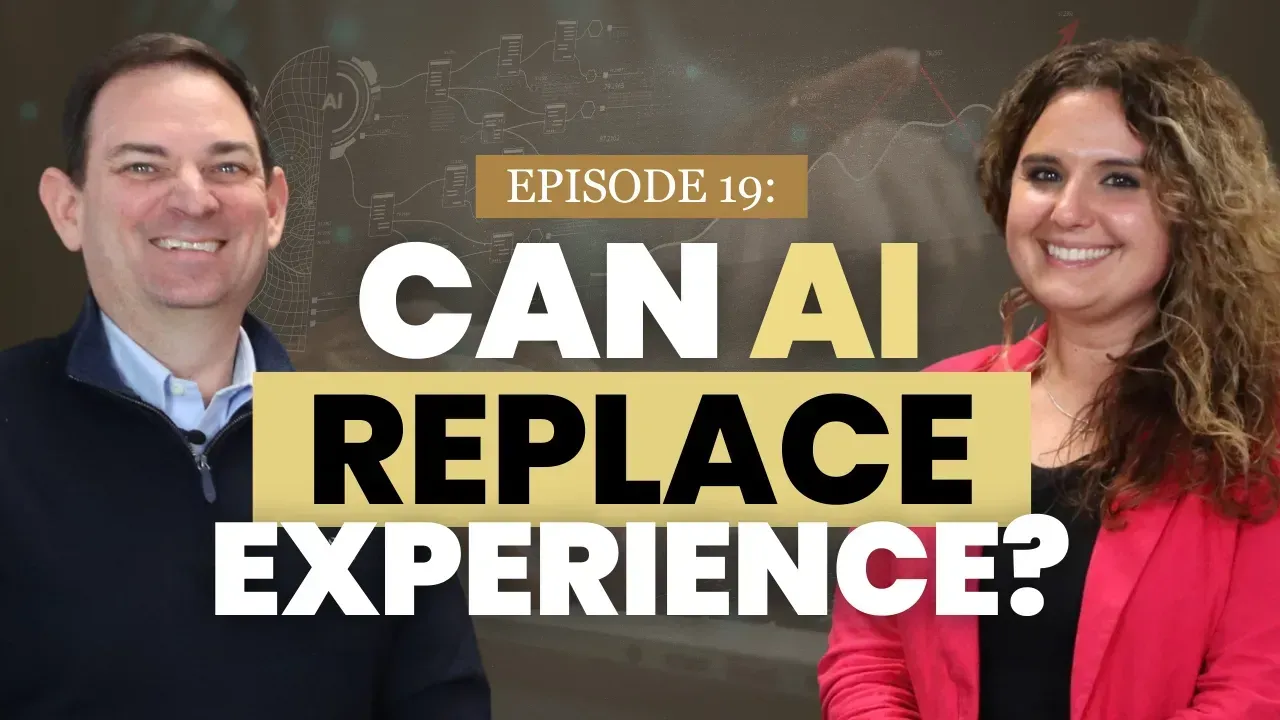
AI Doesn't Replace Experience—It Accelerates It
While artificial intelligence has become one of the hottest topics in business, Wendell views it as a tool rather than a replacement for critical thinking.
Today, he uses AI to brainstorm ideas, draft operating agreements, build standard operating procedures, assist employees, and even develop internal business tools.
But he also offers an important caution.
AI shouldn't become something people blindly copy and paste.
Instead, it should serve as a brainstorming partner—helping entrepreneurs move faster while still relying on their own judgment and experience.
For investors who are just getting started, he believes AI can make building business plans, organizing ideas, and presenting opportunities much less intimidating.
It's another example of using available tools to increase execution rather than replace it.
The Investors Who Keep Moving Will Be Ready
Perhaps the most encouraging lesson from the episode came when Christina asked Wendell about today's challenging market.
Many investors have stopped buying.
Many have stopped making offers.
Many are simply waiting.
Wendell believes that's exactly why now is the time to keep building.
"If you can succeed in this market...you're going to absolutely kill it."
His team continues making roughly 150 to 200 offers each month—not because every offer becomes a deal, but because consistent action creates future opportunities.
He believes the investors who continue refining their systems today will be prepared when market conditions eventually improve.
Just as importantly, he encourages investors not to become emotionally attached to deals.
If the numbers don't work, walk away.
"The math doesn't math."
Real estate isn't about proving you can buy properties.
It's about making wise decisions that position you for long-term success.
Stewardship, Purpose, and Building Something Bigger
Although faith wasn't the central topic of the episode, it naturally surfaced throughout the conversation.
Christina noted that themes like stewardship, purpose, and calling consistently appear in Wendell's writing and business philosophy.
His response reflected a perspective that resonates deeply with Branch Wealth Partners' mission.
Business isn't simply about making more money.
It's about creating freedom, serving others well, and building something sustainable.
That same mindset is one reason he's currently reading Profit First—a book that's challenging him to become a better steward of the business he's building by intentionally prioritizing healthy financial habits.
"You create a business to give you a life that you want."
It's a simple reminder that success isn't measured only by the size of a portfolio.
It's measured by whether the business you're building creates the life you were hoping to build in the first place.
5-Minute Fast Fire
To close the episode, Christina put Wendell on the spot with Branching Out's signature 5-Minute Fast Fire.
Q: What's one thing investors should stop worrying about?
- "What other people think. Focus on your craft...and stop comparing yourself to what you see online."
Q: What's one thing investors should pay more attention to?
- "The market. Understand what's happening where you're investing instead of getting tunnel vision on one deal."
Q: What book has had the biggest impact on your business?
- "Buy Back Your Time and Profit First. One has reinforced how I think about delegation, while the other has changed the way I think about running a healthy business."
Q: What's one piece of advice you'd give new investors?
- Don't get emotional. Instead of looking for reasons to buy a property, Wendell encourages investors to look for reasons to walk away. "The math doesn't math." If a deal doesn't work on paper, don't try to force it to work in reality.
Q: What's the biggest opportunity investors have right now?
- Keep building while others are waiting. The investors who continue learning, networking, refining their systems, and making offers today will be in the strongest position when the market eventually shifts.
Final Thoughts
Wendell's journey reminds us that successful investing isn't built on perfect timing.
It's built on preparation.
From learning the lending business before buying his first investment, to raising private capital through trust, adapting to changing market conditions, embracing new construction, and building systems that create scalability, every step of his journey reflects intentional growth rather than overnight success.
Markets will continue to change.
Strategies will continue to evolve.
But as Wendell's story demonstrates, investors who stay curious, remain disciplined, and continue taking action are often the ones best positioned for whatever comes next.
What Next?
This is the shift many investors are waiting for — not more information, but structure and accountability around their next step.
That’s why we created the Branch Framework — not as another course, but as a mentor-led system designed to help you move from learning to doing.
Inside the system, you’ll get:
✔ A clear roadmap to define your numbers and your buy box
✔ Real deal reviews and practical guidance
✔ Tools that remove emotion from your decisions
✔ Accountability that turns intention into movement
✔ A community of investors who are actually moving
This isn’t about chasing trends. It’s about stewardship — using the tools in front of you and taking the next faithful, informed step.
👉 Learn more about the Branch Framework and step into your guided path forward.
Your first door — or your next one — may be closer than you think. 🌿
New Paragraph