From Racing to Real Estate: How Kirk Hanson Built a Career Solving the Deals Others Can’t
From Racing to Real Estate: How Kirk Hanson Built a Career Solving the Deals Others Can’t
Real Estate Insights from Kirk and Christina
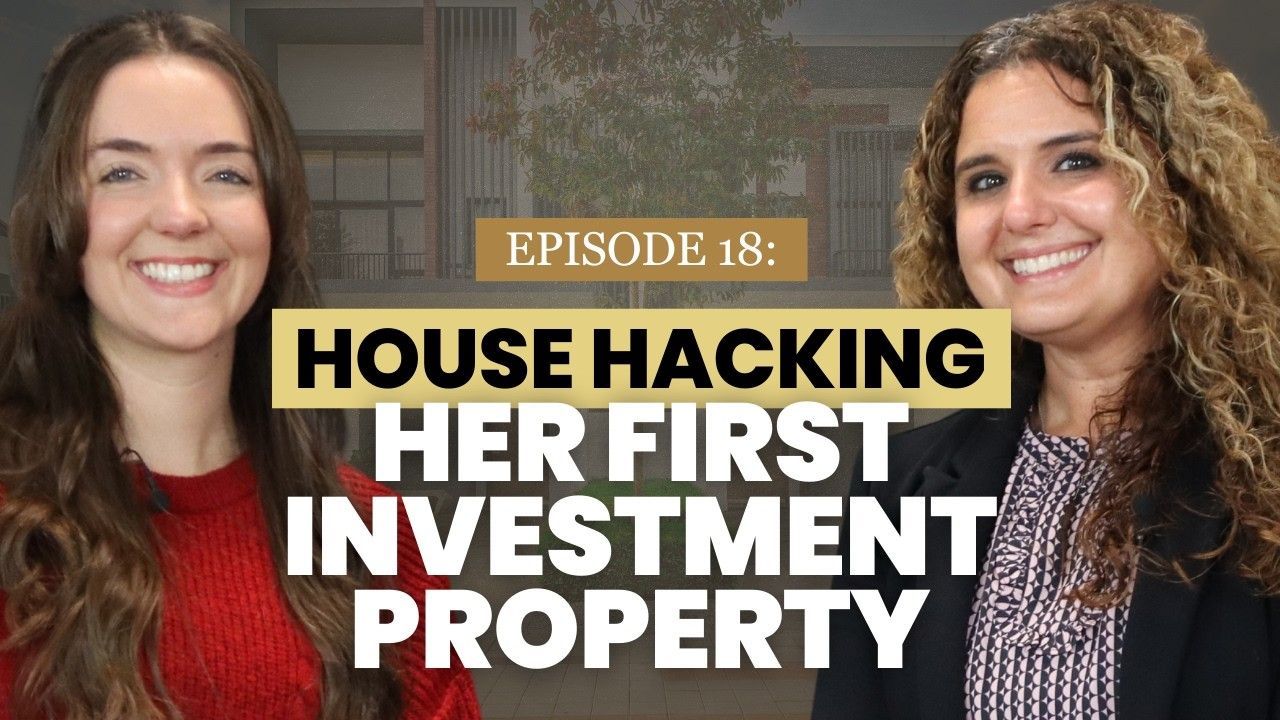
In this episode of Branching Out: Where Real Estate Meets Real Life, Christina sits down with local real estate investor, broker, and entrepreneur Kirk Hanson. If you live in the Concord or Kannapolis area, chances are you’ve seen Kirk’s billboards, signs, social media posts, or one of his unmistakable outfits around town. But behind the personality is a real estate professional who has spent decades building a reputation for finding creative solutions and navigating some of the most complex deals in the business.
🎥 Watch the full video on YouTube below or listen to the podcast
here
From owner financing and subject-to transactions to distressed properties and commercial investments, Kirk has built his career by doing what many investors and agents avoid: solving difficult problems.
Getting Fired for Making Too Much Money
Before real estate, Kirk spent years working in automotive finance. His transition into investing wasn't part of a grand master plan—it happened almost by accident.
After being told he was making "too much money" for a dealership in Kannapolis, Kirk began looking for alternatives. During lunch with a friend, he picked up a real estate magazine, identified three properties, and bought them. That simple decision launched what would become a lifelong real estate career.
Over the next eighteen months, Kirk and his wife acquired roughly 35 properties. What began as a side investment quickly grew into something much larger.
Eventually, after being fired from another dealership for the same reason, his wife made the decision for him.
"Remember those 35 houses you bought? You're now the property manager, and that's your full-time job."
That moment became the turning point that pushed him fully into real estate.
Learning Real Estate Through Experience
Like many successful investors, Kirk learned that owning property and managing property are two very different things.
After spending time managing dozens of rentals, he realized large-scale property management wasn't where he wanted to focus his energy. Instead, he shifted toward acquisitions, creative financing, and investment-focused brokerage work.
Today, Kirk describes himself not as a residential or commercial agent, but as an "investment real estate agent."
For him, it always comes back to the numbers.
"We talk cap rate. We talk ROI. That's where it's at."
Why Creative Financing Is His Favorite Part of Real Estate
While many agents focus on traditional listings and purchases, Kirk thrives on transactions that require problem-solving. His favorite deals involve:
- Owner financing
- Subject-to transactions
- Distressed properties
- Commercial opportunities
- Unique seller situations
- Creative deal structuring
Rather than finding buyers for properties, Kirk often starts with understanding what his investors need and then works backward to locate opportunities that fit those criteria.
"I like the tough stuff. Somebody owes too much on a house. Somebody has bad credit but has money. I like figuring that stuff out."
Understanding Owner Financing
One strategy Kirk regularly uses is owner financing.
In a traditional transaction, a seller receives the full purchase price at closing. With owner financing, the seller acts as the bank and receives payments over time, often earning interest in the process.
Kirk explains that this can create benefits for both parties:
Sellers can potentially earn more through interest income.
Buyers can acquire property without traditional bank financing.
Deals can move faster and with more flexibility.
One recent transaction involved a buyer purchasing a commercial property with 20% down and a 12-month owner-financed term. While many sellers initially hesitate when they hear "owner financing," Kirk specializes in helping both sides understand how these structures can work.
The Power of Subject-To Investing
Another strategy Kirk frequently uses is buying properties "subject to" the existing mortgage.
In a subject-to transaction, the buyer takes ownership of the property while continuing to make payments on the seller's existing loan.
For investors, this can create opportunities to:
- Preserve low interest rates
- Reduce financing costs
- Acquire properties with less cash out of pocket
- Solve problems for distressed homeowners
Kirk shared an example of purchasing a property with an existing mortgage around 3%, allowing him to benefit from financing terms that would be nearly impossible to obtain in today's market.
As with any advanced investing strategy, these deals require knowledgeable attorneys, careful structuring, and a clear understanding of the risks involved.
Becoming a Solution Finder
Perhaps the best example of Kirk's approach came from a property referred to him through local code enforcement.
- The situation was complicated:
- The property owner was living in a nursing home.
- A squatter occupied the home.
- The property had become a nuisance for the community.
- Selling the property outright could potentially impact the owner's benefits.
Rather than walking away, Kirk worked alongside mentors and advisors to find a solution.
The structure they created allowed the homeowner to receive monthly payments for life while avoiding the challenges that a traditional sale would have created.
"That was a tough one," Kirk admitted.
But it perfectly demonstrates the mindset that has defined his career: finding solutions where others see obstacles.
Why Creative Financing Is His Favorite Part of Real Estate
When discussing current market conditions, Kirk highlighted a trend many investors are noticing.
On the residential side, sellers are often still hoping for pandemic-era pricing, while buyers have become more selective.
"The market's not dictating those prices anymore. It's definitely a buyer's market."
At the same time, Kirk has seen a significant increase in commercial activity.
For the first time in years, his commercial transactions have surpassed his residential transactions.
Commercial opportunities such as:
- Convenience stores
- Gas stations
- Development land
- Investment properties
All of these have attracted strong investor interest as residential activity has cooled.
The Opportunity in Distressed Assets
When asked where investors should focus today, Kirk's answer was simple:
Distressed opportunities.
He believes some of the best opportunities exist in properties that need work, creative financing, or problem-solving.
He also discussed the concept of shadow inventory—properties owned by lenders that haven't yet been fully released into the marketplace.
As more of that inventory gradually enters the market, investors who understand how to analyze numbers and act decisively may find attractive opportunities.
Relationships Matter More Than Anything
One theme surfaced repeatedly throughout the conversation: loyalty.
While Kirk loves creative deals and complex transactions, he believes long-term relationships are what ultimately drive success.
Many of his investor clients have worked with him for years, trusting him to identify opportunities and structure deals on their behalf.
His biggest red flag?
A lack of loyalty.
For Kirk, successful investing isn't just about finding deals. It's about building relationships with people who trust each other and work together over the long haul.
Practical Lessons for Investors
Throughout the conversation, several valuable lessons emerged:
- Learn to evaluate opportunities based on numbers, not emotions.
- Understand multiple financing strategies, not just conventional loans.
- Build relationships with experienced attorneys, lenders, and mentors.
- Focus on solving problems rather than simply finding properties.
- Don't overlook distressed opportunities when the broader market slows.
- Loyalty and trust often create better opportunities than chasing every deal.
Most importantly, Kirk's career serves as a reminder that many of the best opportunities come from situations others consider too complicated.
5-Minute Fast Fire
Q: What was your best deal ever?
- Kirk: "One I made money on."
Q: Commercial or residential?
- Kirk: "Investment. I like to be known as an investment real estate agent."
Q: What's your biggest red flag on a deal?
- Kirk: Lack of loyalty. If someone is working with multiple agents and constantly shopping around, that's a major warning sign.
Q: What's one thing investors do that drives you crazy?
- Kirk: When they ask for his numbers and then immediately second-guess them. "If I give you a deal and say here's a moneymaker, it's a moneymaker."
Q: What's the worst deal you've ever been involved with?
- Kirk: A short sale on a Lake Norman property that took nine months to close. The experience reinforced why he generally avoids short sales despite being certified to handle them.
Final Thoughts
Kirk Hanson's story is a powerful example of what can happen when you combine persistence, creativity, and a willingness to solve problems.
From buying his first properties after an unexpected career setback to building a business around complex investment transactions, he has consistently found ways to create opportunities where others see roadblocks.
His success isn't built on chasing trends or timing the market perfectly. It's built on understanding people, understanding numbers, and finding solutions.
As Kirk shared throughout the episode, real estate isn't always about finding the easy deal. Sometimes it's about being the person willing to figure out the hard one.
What Next?
This is the shift many investors are waiting for — not more information, but structure and accountability around their next step.
That’s why we created the Branch Framework — not as another course, but as a mentor-led system designed to help you move from learning to doing.
Inside the system, you’ll get:
✔ A clear roadmap to define your numbers and your buy box
✔ Real deal reviews and practical guidance
✔ Tools that remove emotion from your decisions
✔ Accountability that turns intention into movement
✔ A community of investors who are actually moving
This isn’t about chasing trends. It’s about stewardship — using the tools in front of you and taking the next faithful, informed step.
👉 Learn more about the Branch Framework and step into your guided path forward.
Your first door — or your next one — may be closer than you think. 🌿
New Paragraph